Exploring the Al Sarraf Building: Architecture & Investment
Intro
In the ever-evolving realm of Dubai's architectural marvels, the Al Sarraf Building emerges as a standout. Its distinctive design and strategic location contribute to the vibrant fabric of the city. The Al Sarraf Building is not merely a structure; it represents a fusion of historical context and modern investment opportunity. This guide will explore its architectural significance, investment potential, and the wider market trends surrounding it.
Understanding the Al Sarraf Building goes beyond appreciating its aesthetic appeal. For real estate enthusiasts and investors alike, grasping the value of such landmarks within the intricate dynamics of the Dubai market is essential. This article aims to peel back the layers of this intriguing building, shedding light on its role in Dubai’s growth story and the investment allure it holds for both seasoned investors and newcomers to the market.
This article unfolds the various elements that set the Al Sarraf Building apart, providing insights into the architectural features, its historical relevance, and the promising investment landscape it nurtures. Separate sections dedicated to market trends and a comprehensive buying guide will clarify the broader context, positioning the Al Sarraf Building as a focal point for potential investors.
Join us as we delve into the nuances of this remarkable structure, offering a balanced view of its architectural elegance and investment feasibility. Whether you're looking to invest, develop, or simply learn, the Al Sarraf Building holds a treasure trove of insights waiting to be uncovered.
Market Overview
In the bustling environment of Dubai, understanding the real estate market is crucial for anyone considering investment in properties like the Al Sarraf Building. This section highlights current trends and identifies which areas are becoming budding hotspots.
Current Trends
In recent years, the Dubai real estate market has shown resilience and adaptability. With its diverse offerings and growth in expatriate population, properties with architectural uniqueness, like the Al Sarraf Building, are fetching increased attention. The following trends are noticeable:
- Sustainability Focus: There’s a growing emphasis on eco-friendly buildings. Investors are increasingly favoring properties that incorporate sustainable practices into their design.
- Mixed-Use Developments: Buildings offering residential, commercial, and leisure options are particularly appealing, as they maximize utility in thriving neighborhoods.
- Heritage Value: Structures with rich historical backgrounds, such as the Al Sarraf Building, are becoming desirable due to their storytelling potential and cultural importance.
Investment Hotspots
Identifying where to invest is half the battle in real estate. Investors spotlight various districts within Dubai that promise fruitful returns:
- Dubai Marina: Known for its waterfront lifestyle and luxury apartments. Properties here continue to gain value.
- Downtown Dubai: As the beating heart of the city, it holds a plethora of investment opportunities, especially near iconic landmarks.
- Dubai Creek Harbour: An area showing potential for future growth, mixing scenic beauty and modern architecture.
These districts, combined with emerging trends, create a fertile ground for investments surrounding the Al Sarraf Building. As we delve deeper into its specifics, potential investors can better assess how this building fits within the broader scope of their real estate aspirations.
For further exploration into Dubai's evolving real estate landscape, consider resources like Wikipedia or Britannica.
Prelude to Al Sarraf Building
Located in the heart of Dubai, the Al Sarraf Building is more than just another structure in a city filled with architectural wonders. It stands as a testament to the evolving real estate landscape of Dubai, merging historical significance with modern investment potential. The relevance of this building, within both architectural and investment perspectives, cannot be overstated.
For investors, the Al Sarraf Building represents a unique opportunity to engage with a property that is not merely a static asset but a dynamic landmark that reflects the buzzing spirit of Dubai. As the city continues to grow and evolve, properties like Al Sarraf become increasingly desirable, not only for their immediate financial returns but also for their long-term value.
The importance of Al Sarraf lies in several key elements:
- Architectural Significance: The building showcases a blend of innovative design and traditional motifs. It’s a visual feast that attracts both locals and tourists, serving as a point of interest in the bustling Dubai landscape.
- Investment Viability: In a city where real estate is a hot topic, understanding the potential return on investment from properties like Al Sarraf can provide a significant edge for savvy investors. The building's location sets it apart, enhancing its desirability.
- Cultural Value: Al Sarraf is not just bricks and mortar; it embodies the cultural ethos of Dubai. A visit reveals how architecture can reflect the history of a community, creating a bridge between the past and the future.
The Al Sarraf Building, with its rich historical context and robust design features, is crucial for those interested in Dubai's real estate market. A deeper exploration into its various aspects will reveal much about its investments and cultural importance.
"In the context of Dubai, the Al Sarraf Building is not just a place; it symbolizes opportunity and growth in a rapidly evolving economic landscape."
The architectural milestones and the potential they offer continue to draw attention, presenting a case for detailed scrutiny. This article aims to dive deeper into the elements that make the Al Sarraf Building noteworthy, paving the way for a comprehensive understanding of its role in both architecture and real estate investment.
Historical Context
Understanding the historical context of the Al Sarraf Building is key in appreciating its role in Dubai’s architectural landscape as well as its investment potential. This section dives deep into the building's origins and how it has evolved over time, reflecting not just architectural trends but also the broader socioeconomic changes that have occurred in the region. Such knowledge is particularly beneficial for investors and developers looking to grasp the unique factors contributing to the value of properties in this vibrant city.
Origins and Construction
The Al Sarraf Building was not just thrown together overnight; its inception is rooted in a rich tapestry of cultural and historical significance. Constructed in the early 2000s, it was part of a transformative period for Dubai, where rapid urbanization was underway. The development signified a shift towards modern urbanity, blending both function and aesthetics in a way that had not been seen previously.
Many consider the foundation laying of the Al Sarraf Building a reflection of Dubai's ambition to become a global city. The construction utilized local materials blended with the latest engineering techniques of the day. Notably, the architectural plans were drawn up by a team of both local and international architects, ensuring that the design was not only contemporary, but also resonated with the historical and cultural values of the region.
The completion date marked a milestone, coinciding with the UAE's gradual emergence as a hub for tourism and commerce. As investment flooding predominantly foreign wealth into Dubai surged, the Al Sarraf Building became a concrete manifestation of this prosperity, showcasing state-of-the-art facilities that supported both residential and commercial endeavors.
Architectural Evolution
The architectural evolution of the Al Sarraf Building is a profound narrative that mirrors Dubai's own transformation. From its initial concept, the building has undergone various modifications aimed at enhancing its functionality and aesthetic appeal.
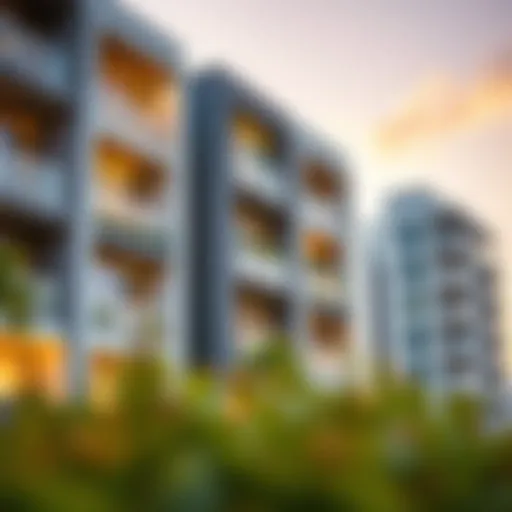
Architecturally, its design emphasizes clean lines and innovative use of space. Many comments note that the exterior’s glass façade creates an illusion of weightlessness, which is quite a departure from the more traditional structures seen in other parts of the city. Inside, the layout was tailored for flexibility, making it appealing to a diverse range of tenants—from expatriates seeking stylish living spaces to businesses desiring a prime commercial location.


"The architectural innovation behind the Al Sarraf Building sets it apart as not just a place to work or live, but a landmark symbolizing Dubai's future."
Over the years, features have been added or adjusted to meet the evolving demands of its residents and tenants. This adaptability has been pivotal in maintaining high occupancy rates and maximizing investment returns. Features like eco-friendly installations and smart home technology have been increasingly integrated to appeal to environmentally conscious tenants. This continual evolution speaks volumes about the foresight and adaptability of the developers and architects involved in the building’s lifecycle.
Architectural Features
The architectural features of the Al Sarraf Building play a crucial role in not only defining its unique character but also in enhancing its investment appeal. This segment dives into how the structure’s design philosophy, materials, and interior layout collectively contribute to its significance in the real estate landscape of Dubai.
Design Philosophy
At the heart of the Al Sarraf Building’s design is a philosophy that harmonizes modernity with functionality. The architect has taken pains to incorporate elements that resonate with the local culture while embracing global architectural trends. This balance is pivotal; it reflects the cosmopolitan nature of Dubai while paying homage to its rich heritage.
The building’s façade features intricate patterns inspired by traditional Arabic designs, interwoven with contemporary aesthetics. This thoughtful integration not only captivates the eye but also symbolizes a bridge between time-honored craftsmanship and cutting-edge design. Considerations such as sunlight orientation, wind patterns, and space usage were meticulously weighed in order to create a comfortable environment, significantly enhancing the living experience for its residents and users.
Moreover, the overarching goal of sustainability shines through. With energy-efficient systems embedded, the design promotes low environmental impact—an increasing priority within today’s real estate market. This foresight won't just benefit the occupants; it can also influence potential investors favorably, as properties with efficient designs often command higher market value.
Materials and Techniques
When it comes to materials, the Al Sarraf Building utilizes a blend of local and advanced resources that reflect durability and aesthetic values. The primary material, reinforced concrete, is complemented by natural stone cladding that adds an element of elegance while standing the test of time.
In addition, the use of low-VOC paints and recycled materials not only aligns with sustainable practices but also caters to the modern consumer's preferences for green living. The craftsmanship involved in creating bespoke fixtures and finishes maintains a level of luxury that stands out in Dubai’s bustling real estate market.
Moreover, techniques such as prefabrication were instrumental in reducing construction time without compromising quality. This approach can lead to savings for investors and developers, who are keen to minimize overhead while maximizing efficiency.
Interior Layout
Moving inside, the interior layout of the Al Sarraf Building is engineered to promote an open and inviting atmosphere. Wide hallways and well-placed common areas facilitate movement, creating a sense of community among residents. The apartments themselves are designed with flexibility in mind; spaces can be easily adapted to meet a variety of lifestyles.
This adaptability is particularly appealing to expatriates and investors alike, as it allows potential tenants to envision their new lives in the building. High ceilings and large windows enhance the feeling of spaciousness, drawing in natural light. Not only does this create a pleasant living environment, but it also significantly reduces the need for artificial lighting, contributing to lower energy bills.
Incorporating modern amenities, such as smart home features and customizable floor plans, the interior layout elevates the standard of living for residents. As potential investors look for properties that promise both comfort and value, the Al Sarraf Building checks many boxes.
"The combination of thoughtful design, sustainable materials, and a flexible layout positions the Al Sarraf Building as a standout property in the Dubai real estate market, making it a worthwhile consideration for savvy investors."
In wrapping up, the architectural features of the Al Sarraf Building embody not just aesthetic appeal but also functional investment promise, setting the stage for success in both personal and financial realms. Investors, developers, and realtors would do well to closely analyze these aspects as they explore opportunities in Dubai's dynamic real estate landscape.
Location Analysis
Location is more than just a point on the map; it is a pivotal factor that influences property value, investment potential, and community integration. For the Al Sarraf Building, its location within the bustling heart of Dubai directs significant attention to its architectural merits and investment viability. This section breaks down the multifaceted aspects of location analysis related to the Al Sarraf Building, shedding light on key geographical advantages, surrounding amenities, and the accessibility provided by transport links.
Geographic Advantages
The geographic positioning of the Al Sarraf Building enhances its desirability among investors and occupants alike. Situated strategically in Dubai, the building enjoys proximity to various landmarks while being insulated from the chaos of the most congested areas.
- Proximity to Business Districts: Investors will find the building’s location aligned with Dubai’s vibrant commercial spaces. Just a stone’s throw away from major business hubs, owners can easily capitalize on corporate clientele.
- Natural Landscapes: The area surrounding the Al Sarraf Building includes parks and waterfront areas. Such features not only beautify the surroundings but also increase the potential for outdoor recreational activities, attracting families and expatriates to the region.
- Climate Considerations: Being situated in a region with dry climate conditions, the building is designed to withstand high summer temperatures, which is advantageous for both occupants and maintenance.
Surrounding Amenities
Amenities are the lifeblood of any property, and the Al Sarraf Building does not disappoint. The provision of quality amenities directly correlates to the quality of life for end-users.
- Retail and Dining Options: Located close to shopping districts means residents and tenants have easy access to a plethora of retail options. From local markets to high-end shops, the diversity enhances the daily living experience.
- Educational Institutions: Families with children will appreciate the proximity to reputable schools and educational institutions that fulfill the academic needs of younger generations.
- Health Services: In today's world, access to reliable healthcare is non-negotiable. The surrounding area features hospitals and clinics, ensuring that healthcare services are within reach, enhancing peace of mind for investors looking at rentals.
Accessibility and Transport Links
Accessibility cannot be overlooked, as it plays a vital role in determining a property’s attractiveness. The Al Sarraf Building’s vicinity to major transport links solidifies its standing as a prime investment.
- Public Transport: The nearby metro stations and bus stops provide easy public transport options. Commuters have the luxury of seamless connectivity to other parts of Dubai, amplifying the allure of living or working in the Al Sarraf Building.
- Road Infrastructure: Well-developed road networks ensure smooth ingress and egress from the building. This accessibility is particularly beneficial for those in business, as ease of transport can correlate with increased productivity.
- Proximity to the Airport: Being in touch with one of the world's busiest airports, the Al Sarraf Building caters to international clientele, making it appealing to expatriates and those who travel frequently.
"In real estate, location is often the decisive factor that influences both current valuation and future growth potential."
Market Trends
Understanding market trends is essential for anyone diving into the intricacies of the real estate sector, especially in a bustling market like Dubai. The Al Sarraf Building, as a notable structure in this landscape, embodies core elements that are fundamental for investors, developers, and realtors. Keeping an eye on market trends not only aids in making informed decisions but also helps in identifying potential risks and opportunities.


Current Real Estate Market Overview
The real estate market in Dubai is known for its rapid fluctuations and unique tendencies. As of now, the market exhibits a mixed bag of performance metrics:
- Price Trends: Residential properties continue to show diverse price movements. Some areas are heating up for investors, while others are cooling off. The Al Sarraf Building, being centrally located, has seen a steady appreciation in value compared to some of its counterparts.
- Buyer Demographics: The typical buyer profile is evolving. With a significant influx of expatriates and foreign investors, properties in the mid-range to high-end spectrum are attracting more attention, aligning perfectly with what the Al Sarraf Building offers.
- Supply and Demand: There’s been an increase in new developments, but properties that offer unique characteristics or historical significance tend to maintain their value better. This is where Al Sarraf Building’s appeal lies.
Investment Potential of Al Sarraf Building
Investing in the Al Sarraf Building could be seen as a savvy move for several reasons:
- Unique Architectural Heritage: Unlike new developments, its architectural style and historical context provide a narrative that new constructions can't match. This appeal can drive demand, especially from culturally-minded investors.
- Rental Yield: With the current trends in tenant demographics shifting towards expatriates and professionals seeking quality living spaces, Al Sarraf Building is well-positioned to offer attractive returns. The expected rental income is promising, driven by the building's location and amenities.
- Long-Term Growth Potential: As the surrounding area continues to develop, property values are likely to follow suit. The strategic placement of Al Sarraf Building amplifies its investment allure, projecting a sustained upward trend in valuation over the coming years.
"The investment landscape in Dubai remains dynamic; every angle must be considered for a profitable outcome."
Comparative Analysis with Other Properties
When stacking up the Al Sarraf Building against other properties in the region, some vantage points are worth consideration:
- Price Point: Compared to luxury high-rises, Al Sarraf may offer a more accessible entry point with reasonable pricing for a property that combines heritage with modern needs.
- Amenities and Features: While many contemporary buildings boast modern amenities, they often lack the character and charm found in established structures. Al Sarraf Building’s historical significance provides a distinct edge that newer properties may lack.
- Market Positioning: Properties in the area may tend to focus on high-end buyers, whereas Al Sarraf offers appeal across a large spectrum of demographics, making it a versatile investment.
Investors and stakeholders must look closely at individual property offerings, with the Al Sarraf building serving as a resilient option amidst fluctuating market conditions. Its blend of historical significance and investment potential outlines it as a noteworthy consideration in the ever-evolving Dubai real estate landscape.
Investment Considerations
Investment considerations are a vital aspect when evaluating the Al Sarraf Building. Understanding key elements can significantly impact decision-making for potential investors. Investors need to grasp not just the numbers, but also the surrounding context of their investments. With Dubai emerging as a global hub for business and tourism, the insights into Al Sarraf offer both immediate and long-term benefits.
Buyer Demographics
When considering an investment in the Al Sarraf Building, it is essential to understand who the potential buyers are. Target demographics include expatriates, business professionals, and foreign investors.
- Expatriates are often looking for residences that offer a semblance of home alongside luxury amenities.
- Business professionals see property not just as a place to live but as an asset that reflects their lifestyle and success.
- Foreign investors are particularly drawn to Dubai's strong rental market, with Al Sarraf providing attractive options for both long-term and short-term rentals.
Recognizing these demographics can help investors align their marketing strategies effectively, ensuring they cater to the expectations and requirements of their target audiences.
Rental Yield and Revenue Potential
The rental yield in Dubai has been a hot topic for many investors. Al Sarraf Building stands out due to its prime location and architectural appeal. Current trends indicate that rentals can yield anywhere from 6% to 8%, depending on the unit type and market conditions. Here are some key factors influencing rental yield:
- Location: Properties with good accessibility and amenities typically fetch higher rents.
- Design and Facilities: Modern, well-maintained facilities often attract premium tenants willing to pay extra.
- Market Trends: Staying updated with Dubai's real estate trends will allow investors to forecast potential changes in rental pricing.
Investors should conduct periodic reviews of market conditions, as the landscape can shift, even overnight.
Legal Framework for Investors
Navigating the legal framework is crucial for anyone considering investment in the Al Sarraf Building. Knowing the regulations is not just about compliance; it is important to safeguard investments. Here are a few points to bear in mind:
- Ownership Laws: Unlike many countries, Dubai allows 100% foreign ownership in certain areas, making it an attractive place for international investors.
- Rental Regulations: Understanding the legal boundaries of leasing, tenant rights, and rental income taxation can make a significant difference.
- Property Rights: Familiarizing oneself with the rights and responsibilities of property ownership in the UAE will help avoid pitfalls.
Ultimately, a well-informed investor is in a better position to capitalize on opportunities while mitigating risks related to real estate investment.
"Understanding buyer demographics and the legal framework can act as a roadmap for successfully navigating the intricate Dubai property market."
The investment considerations surrounding the Al Sarraf Building highlight clear pathways to not just acquiring property but also ensuring that those investments are fruitful over time.
Environmental Impact
The environmental impact of a significant structure like the Al Sarraf Building cannot be overlooked. In today’s world, where sustainability and ecological consciousness are gaining traction, it is imperative to consider how constructions like this affect the surrounding environment. The balance between development and preservation is delicate. By examining the landscape modification, material choices, and waste management, stakeholders can better appreciate the building's role in Dubai's urban fabric, while also pondering its responsibilities towards local ecosystems.
Sustainable Practices in Construction
One cannot underestimate the shift towards sustainable building practices in modern architecture. In constructing the Al Sarraf Building, emphasis was placed on minimizing its carbon footprint through thoughtful choices. For starters, the materials used prioritize local sourcing. Using materials that are readily available in the region not only reduces transportation emissions but also supports local businesses. Durability was another critical aspect; materials are selected for longevity and low maintenance, thereby minimizing future resource expenditures.
Moreover, energy-efficient systems were integrated into the design. This includes solar panels and rainwater harvesting systems, which reduce the load on local utilities and lower operational costs. A smart heating and cooling system ensures that energy is not wasted, adjusting according to occupancy levels. As a result, the building is positioned to contribute positively to both the environment and the economy.

Impact on Local Ecosystem
As construction unfolds, its impact on the local ecosystem becomes apparent. The Al Sarraf Building's establishment had to consider not just the human community but also the flora and fauna surrounding the site. During the planning stages, an environmental impact assessment was carried out to understand how the site modification might disrupt local wildlife habitats.
The intention was to coordinate construction efforts with local wildlife conservation principles. For instance, green roofs and vertical gardens were implemented, providing natural habitats for birds and insects while improving air quality. These green spaces are vital for urban biodiversity, acting as a buffer between human and natural elements.
"Sustainable architecture is not only about building structures; it's about creating spaces that respect and harness nature's capabilities."
Additionally, yearly audits on the building's impact on local air and noise pollution levels are conducted. Keeping monitors for emissions and developing community programs that engage residents in green initiatives help bolster the area's ecological resilience. This diligence not only enhances the reputation of the Al Sarraf Building but also positions it as a leader in integrating urban development with environmental stewardship.
Ultimately, the environmental considerations surrounding the Al Sarraf Building reveal a multi-layered dialogue about building responsibly in a rapidly urbanizing world. Investors and stakeholders in the real estate sector should take note: sustainability is not just an option; it's becoming a necessity for future developments in Dubai and beyond.
Community Engagement
Understanding community engagement is vital when examining modern architecture, as buildings like the Al Sarraf reflect not just the magnificence of design but also the influence they hold in fostering local connections and growth. At its core, community engagement refers to how a structure contributes to the fabric of its surroundings and the lives of the people in the area.
Weaved into the architectural tapestry of Dubai, the Al Sarraf Building plays a multifaceted role in shaping local dynamics. Through its design and function, it serves as a catalyst for interaction and inclusivity. Community engagement draws attention to essential elements such as social sustainability, economic integration, and cultural relevance. It's about more than just having a glamorous facade; it's about what happens inside its walls and how it resonates with the broader populace.
Moreover, investment opportunities stemming from positive community relationships can enhance the appeal of such properties. Investors keen on real estate must grasp the symbiotic relationship between community initiatives and building value. The added benefits accrued from positive public perception can lead to increased foot traffic, boosted local business, and ultimately higher returns on investment.
Role in Local Community Development
The role of the Al Sarraf Building in local community development cannot be overstated. Its strategic positioning and unique offerings help stimulate local economies and enhance the quality of life for residents. Local businesses often flourish in the vicinity of well-designed spaces that prioritize community interaction.
- Employment Opportunities: The Al Sarraf Building, with its mix of retail, office, and potentially residential spaces, creates numerous job opportunities. From local artisans to corporate professionals, the building caters to a diverse employee base.
- Cultural Exchange: The diversity in tenants and visitors fosters a culture of exchange. This setting is ripe for collaboration between local artists, entrepreneurs, and established brands, creating a rich tapestry of experiences.
- Community Events: The Al Sarraf Building may also serve as a venue for community events that strengthen bonds among various groups. Be it art exhibitions, workshops, or public discussions, these activities engage residents, enhancing social cohesion.
In essence, the Al Sarraf Building is not merely a collection of concrete and steel; it stands as a bridge linking disparate elements of the community while driving development in a cohesive manner.
Cultural Significance
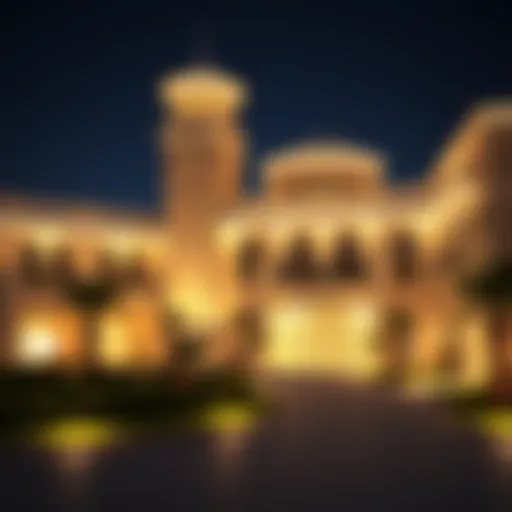
The Al Sarraf Building has emerged as a symbol with cultural significance that transcends its physical presence. It encapsulates stories, traditions, and identities of the local community in its arches and facades. Cultural significance lies in how such buildings define a city’s narrative and historical essence. While the allure of contemporary design is undeniable, these structures also pay homage to the rich heritage of the area.
In Dubai, where blending of modern and traditional is a daily spectacle, the Al Sarraf Building offers a tangible narrative of this evolution. It showcases:
- Architectural Heritage: The building is a modern iteration of architectural styles that honor traditional designs, promoting cultural continuity.
- Civic Pride: Residents identify with such iconic structures, fostering a sense of belonging and pride that resonates on various levels—socially, economically, and politically.
- Cultural Programming: When utilized for cultural exhibitions, tastings, or festivals, the building stands as a venue for promoting local art, craft, and cuisine, enhancing cultural understanding while bringing potential investors face-to-face with innovative ideas.
By promoting cultural significance, the Al Sarraf Building not only captivates tourists and investors alike but also reinforces local identity and heritage, ensuring it remains a vital cog in Dubai’s vibrant engine of community life.
Future Prospects
The future prospects of the Al Sarraf Building carry substantial weight in the context of Dubai's ever-evolving real estate landscape. As investors, developers, and even tourists eye the potential of the area, understanding what lies ahead becomes essential. This section unpacks the various factors influencing its future trajectory, including upcoming projects, infrastructure enhancements, and evolving market demands.
Upcoming Projects and Developments
When looking ahead, stakeholders must pay close attention to the numerous upcoming projects and developments surrounding the Al Sarraf Building. The area's strategic positioning makes it an attractive canvas for new ventures. Developers are eyeing plots nearby to erect modern high-rises and mixed-use spaces suitable for both residential living and commercial activities.
- New retail spaces: Plans for expanding shopping options are underway, aiming to enhance the local economy and attract more visitors.
- Public amenities: Local authorities are pushing for parks and recreational areas to balance urban density with green spaces, making the environment more livable.
- Infrastructure improvements: Enhanced transport links, including expansions in the metro system, are in the works to ease accessibility to the Al Sarraf Building, benefiting both residents and businesses.
These developments not only promise to increase foot traffic but also potentially raise property values around the building. When local appeal grows, real estate inevitably sits in a better position—both in terms of desirability and investment returns.
Long-term Value Projections
Projecting the long-term value of the Al Sarraf Building centers on understanding broader economic and market trends specific to Dubai. Historically, locations that adapt and grow with the times show a tendency to appreciate significantly in value. Factors to consider include:
- Economic Persistence: Dubai's resilience in the face of global economic fluctuations has established it as a stable investment haven. Other investors take note and may gravitate towards similar properties, bolstering demand.
- Diverse Investment Opportunities: As the emirate attracts various sectors—from technology to hospitality—diversification can lead to sustained rental income streams. This further cements the building’s attractiveness for long-term investment.
- Regulatory Environment: Dubai's government is keen on facilitating foreign investment. As regulatory measures favor investors, the projected long-term value may see a positive trajectory amidst increased confidence from stakeholders.
"The Al Sarraf Building stands not merely as a structure but as a beacon for investment in a burgeoning economic landscape."
Understanding these dimensions not only prepares potential investors for making strategic decisions but also aligns their actions with the evolving ethos of Dubai. The landscape surrounding the Al Sarraf Building suggests a promising future, inviting a closer look at what may be to come.
The End
The conclusion of this article serves as a synthesis of the extensive exploration undertaken regarding the Al Sarraf Building. It brings to light not just the architectural prowess of this edifice but also its significant position within the encroaching expanse of Dubai's real estate market.
An essential aspect here is the recognition of Al Sarraf Building as more than a mere structure; it symbolizes the intersection of history and modern investment prospects. The importance of its architectural design invites appreciation from both enthusiasts and clients ready to delve deeper into the real estate arena. Prospective investors can approach the property with a sense of informed clarity, understanding that the allure of this building aligns with potential financial rewards.
Investors, developers, realtors, expatriates, and tourists alike will find valuable insights in the various aspects discussed in respect to the building. Moreover, the analysis of the local market trends, community engagement, and future prospects gives stakeholders a robust framework to base their decisions on. As they consider buying or investing, being aware of factors such as rental yield, legal frameworks, and surrounding amenities is crucial.
Additionally, the environmental considerations showcased in the article become ever more relevant as sustainability gains traction in urban development. Recognizing the Al Sarraf Building's commitment to sustainable practices can motivate buyers looking to align their investments with current ethical trends.
In summation, this article encourages readers to contemplate the multifaceted nature of the Al Sarraf Building. It stands not only as a physical testament to architectural excellence but also as a beacon of investment potential, beckoning a diverse range of stakeholders to make their mark in the bustling heart of Dubai.